

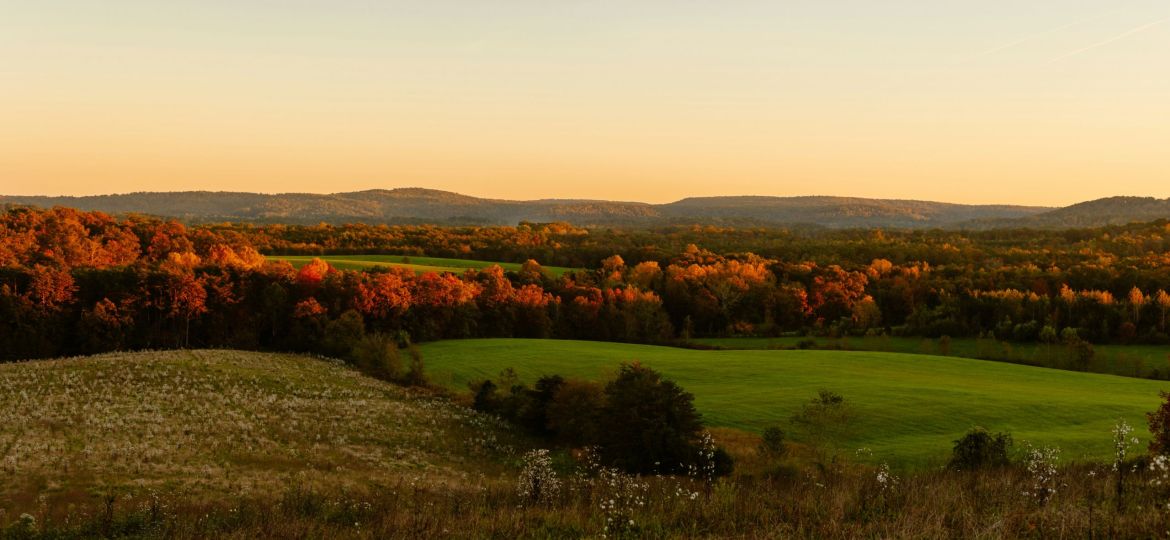
Are you thinking about buying land to build your dream home? There are a lot of factors that go into purchasing the perfect piece of land.
Does the land have enough road frontage for the house you want to build? Will it support the number of bedrooms you need? Are the boundaries correct?
Land tells a story that only professionals can read. That is why it is so essential to hire a Realtor who is an expert on land, an engineering firm to perform a survey and a soil evaluation, and have your builder walk the land before you make an offer. You can also add a due diligence period to your purchase and sales agreement that allows you to hold the land while you perform the required tests.
What is a survey?
A boundary survey determines the exact location of a property’s legal boundaries. It is used to define the corners and lines of a parcel of land based on its legal description (often found in a deed or title).
Benefits of a Survey:
- Establish property lines: Know precisely where your property begins and ends.
- Prevent disputes: Helps avoid or resolve conflicts with neighbors over land boundaries.
- Support transactions: Required during the sale, purchase, or subdivision of land.
- Ensures that buildings, fences, or other structures are placed within legal limits of property.
What is a Soil Evaluation or Perk Test?
A soil evaluation or percolation test (commonly called a perk test) is used to determine the absorption rate of soil for septic system drainage. It’s a key step in assessing whether land is suitable for a septic system, especially in areas without municipal sewer service.
What a Perk Test Evaluates:
- How quickly water drains into the soil.
- Soil composition, such as the ratio of sand, silt, and clay.
- Depth to groundwater or bedrock.
- Seasonal water table fluctuations.
- Soil stability and permeability.
Why It’s Important:
- Septic System Suitability: It determines whether the soil can effectively filter and absorb wastewater.
- Health and Environmental Safety: Prevents contamination of groundwater, wells, or nearby surface waters.